


Celebrate Olive Tree Day with Cure All and More
This November 26th, join us as we honor the timeless beauty and incredible benefits of the Olive Tree! World Olive Tree Day has been celebrated since 1998 when UNESCO declared it an International Day of Importance. Every year, November 26 is a day to recognize the many facets of the olive tree’s symbolism and remind ourselves that this tree is one of the most important in human history, culture, and development. Why Celebrate Olive Tree Day? Extra virgin olive oil is packed with antioxidants and heart-healthy fats. Olive trees support the environment, helping combat soil erosion and promote biodiversity. For centuries, olives and their oil have been a staple of Mediterranean health and cuisine. We at Cure All and More are passionate about providing you with the purest, most delicious extra virgin olive oil, directly from our trusted olive orchards. Let’s raise a glass to the olive tree and everything it gives us!
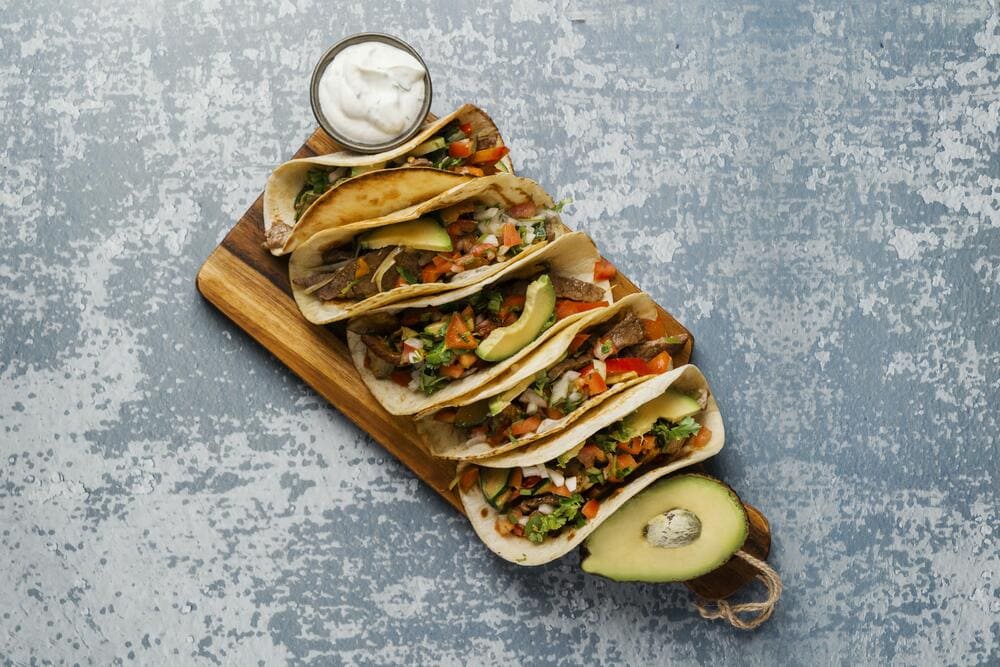
Mexican Tacos with Extra Virgin Olive Oil
Ingredients For the Tacos: 1 lb ground meat (beef, chicken, or turkey) 1 tablespoon olive oil 1 small onion, finely chopped 2 cloves garlic, minced 1 teaspoon cumin 1 teaspoon chili powder Salt and pepper to taste Corn or flour tortillas Toppings: Chopped fresh cilantro Diced tomatoes Sliced avocado Shredded lettuce Crumbled queso fresco or shredded cheese Lime wedges Instructions Cook the Meat: Heat the olive oil in a large skillet over medium heat. Add the chopped onion and garlic, sautéing until softened (about 2-3 minutes). Add the ground meat, breaking it apart with a spatula. Cook until browned and cooked through. Stir in the cumin, chili powder, salt, and pepper. Mix well and cook for another 2-3 minutes to combine flavors. Warm the Tortillas: In a separate skillet, warm the tortillas over medium heat for about 30 seconds on each side, or until soft and pliable. Assemble the Tacos: Place a portion of the meat mixture on each tortilla. Add your choice of toppings: cilantro, tomatoes, avocado, lettuce, cheese, and a squeeze of lime. Serve: Serve immediately with additional lime wedges on the side. Tips Feel free to add beans or sautéed vegetables for extra flavor and nutrition. For a vegetarian option, replace the meat with black beans or sautéed mushrooms. Enjoy your tasty tacos!
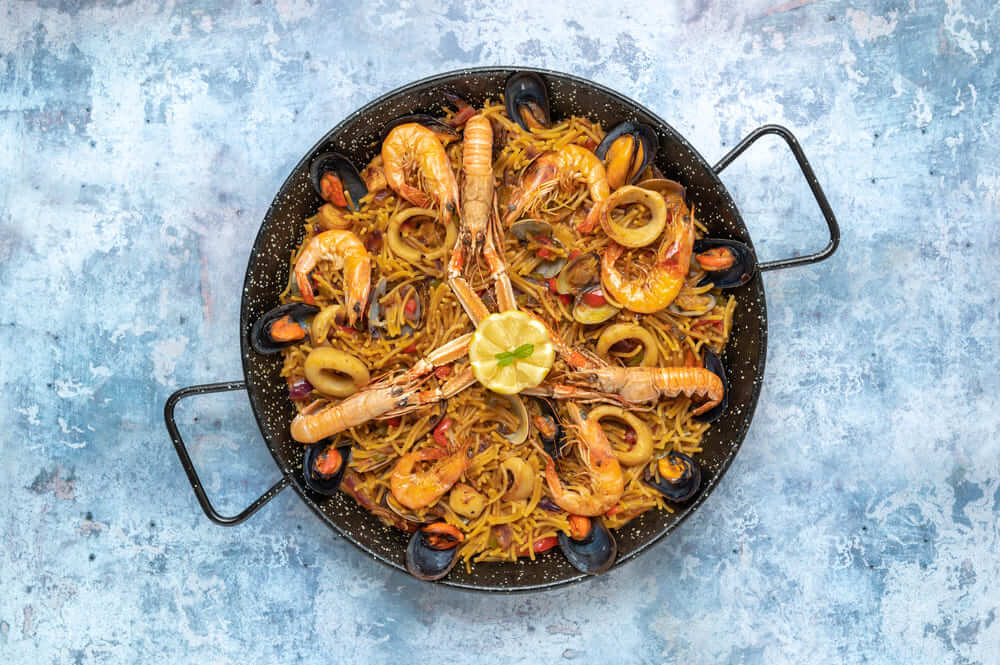
Spanish Paella
Making a Spanish paella with olive oil adds a lovely depth of flavor. Here’s a simple recipe for a delicious seafood and chicken paella. Ingredients: 2 tablespoons extra virgin olive oil 1 onion, finely chopped 3 cloves garlic, minced 1 red bell pepper, diced 1 cup green beans, trimmed and cut into pieces 1 cup diced tomatoes (fresh or canned) 1 teaspoon smoked paprika 1/2 teaspoon saffron threads (optional, for traditional flavor) 2 cups short-grain rice (like Bomba or Arborio) 4 cups chicken broth (or seafood broth) 1 cup cooked chicken, shredded (optional) 1 cup shrimp, peeled and deveined 1 cup mussels or clams (optional) Salt and pepper to taste Lemon wedges and fresh parsley for garnish Instructions: Sauté the Aromatics: In a large paella pan or a wide, shallow skillet, heat the extra virgin olive oil over medium heat. Add the chopped onion and bell pepper, sautéing until they soften, about 5-7 minutes. Stir in the minced garlic and cook for another minute. Add the Vegetables and Spices: Add the green beans and diced tomatoes to the pan. Cook for 3-4 minutes. Stir in the smoked paprika and saffron (if using), mixing well. Cook the Rice: Add the rice to the pan, stirring to coat the grains in the oil and spices. Pour in the chicken or seafood broth, bringing the mixture to a gentle boil. Season with salt and pepper. Do not stir after this point; let it simmer gently for about 15 minutes. Add the Proteins: Arrange the cooked chicken, shrimp, and mussels (if using) on top of the rice. Cover the pan with a lid or foil and cook for another 5-7 minutes, or until the seafood is cooked through and the rice is tender. Let It Rest: Once cooked, remove the pan from heat and let it rest for 5 minutes, covered. This allows the flavors to meld. Serve: Garnish with lemon wedges and fresh parsley. Serve warm. Tips: You can customize your paella with different proteins or vegetables according to your preference. For a smoky flavor, you can add some chorizo sausage as well. Enjoy your flavorful paella made with olive oil! It’s a vibrant dish that brings a taste of Spain to your table.
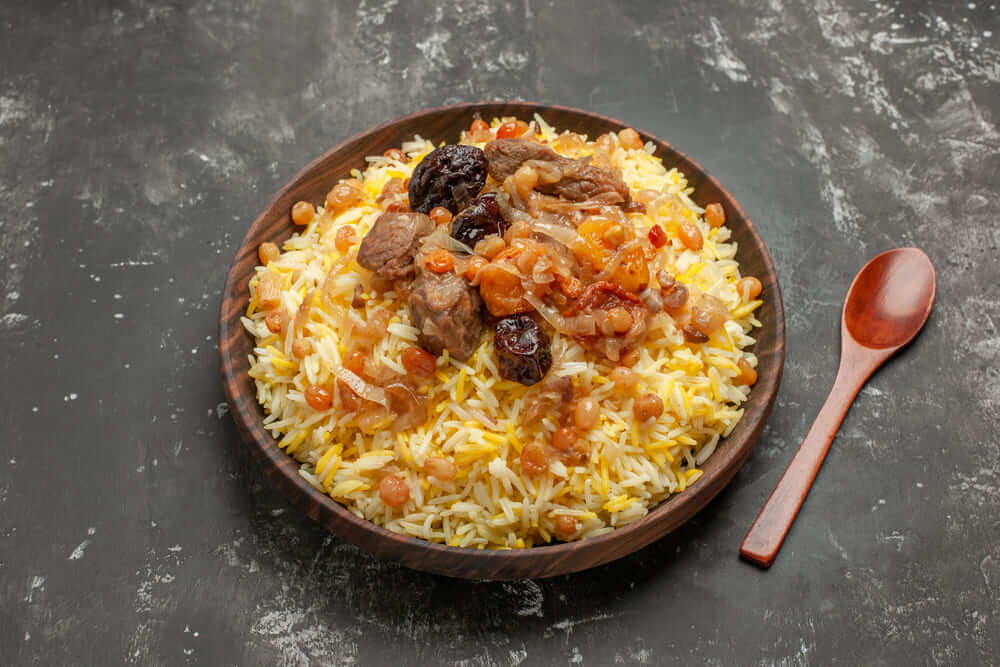
Indian Biryani
Making biryani with olive oil adds a unique twist to this classic dish. Here’s a simple recipe for olive oil biryani that maintains the rich flavors and aromatic spices traditionally found in biryani. Ingredients: 2 cups basmati rice 3 tablespoons extra virgin olive oil 1 large onion, thinly sliced 2-3 cloves garlic, minced 1-inch piece ginger, grated 2-3 green chilies, slit (adjust to taste) 2-3 cups mixed vegetables (like carrots, peas, and bell peppers) or chicken/mutton 1 teaspoon cumin seeds 1 teaspoon garam masala 1 teaspoon turmeric powder 1 teaspoon coriander powder 4 cups water or vegetable/chicken broth Salt to taste Fresh cilantro and mint leaves for garnish Optional: fried onions for garnish Instructions: Prepare the Rice: Rinse the basmati rice under cold water until the water runs clear. Soak for 30 minutes, then drain. Sauté the Aromatics: In a large pot or deep skillet, heat the extra virgin olive oil over medium heat. Add the sliced onions and sauté until golden brown. Remove half for garnishing later if desired. Add minced garlic, grated ginger, and green chilies. Sauté for another minute. Cook the Vegetables/Meat: If using vegetables, add them now and sauté for 5-7 minutes. If using chicken or mutton, add it and cook until browned and cooked through. Add Spices: Stir in the cumin seeds, garam masala, turmeric, coriander powder, and salt. Mix well and cook for another 2 minutes. Cook the Rice: Add the soaked and drained basmati rice to the pot, followed by the water or broth. Bring to a boil. Once boiling, reduce the heat to low, cover the pot with a lid, and cook for 15-20 minutes until the rice is tender and the liquid is absorbed. Rest and Fluff: Once cooked, remove from heat and let it sit, covered, for another 5-10 minutes. Then, gently fluff the rice with a fork. Serve: Garnish with fresh cilantro, mint leaves, and fried onions if using. Serve hot with raita or yogurt on the side. Tips: Adjust the spices according to your taste preferences. For added richness, you can mix in some toasted nuts or raisins before serving. Enjoy your flavorful olive oil biryani! It’s a delightful dish that’s sure to impress.

Ojja (A Delicious North African Dish)
Ojja is a delicious North African dish, often made with eggs, vegetables, and spices. Here’s a recipe using extra virgin olive oil to enhance its flavor. Ingredients: 2 tablespoons extra virgin olive oil 1 onion, chopped 1 bell pepper (red or green), diced 2-3 cloves garlic, minced 2 medium tomatoes, chopped (or one can of diced tomatoes) 1 teaspoon paprika 1 teaspoon cumin ½ teaspoon chili powder (adjust to taste) Salt and pepper to taste 4-6 eggs Fresh herbs (like parsley or cilantro) for garnish Instructions: Sauté the Vegetables: In a large skillet, heat the extra virgin olive oil over medium heat. Add the chopped onion and bell pepper, sautéing until they are soft, about 5-7 minutes. Stir in the minced garlic and cook for another minute until fragrant. Add Tomatoes and Spices: Add the chopped tomatoes to the skillet, along with paprika, cumin, chili powder, salt, and pepper. Stir well and let it cook for about 10 minutes, until the mixture thickens and the tomatoes break down. Create Wells for the Eggs: Once the tomato mixture is ready, use a spoon to create small wells in the sauce. Crack an egg into each well. You can cover the skillet with a lid to help the eggs cook more evenly. Cook the Eggs: Cook for about 5-8 minutes, or until the egg whites are set but the yolks are still runny. Adjust the cooking time based on your preference for egg doneness. Garnish and Serve: Remove from heat and garnish with fresh herbs. Serve hot with crusty bread or over couscous. Tips: You can add other vegetables like zucchini or spinach for extra nutrition. For a bit of cheese, sprinkle feta or goat cheese on top before serving. Enjoy your ojja! It’s a warm, hearty dish perfect for any meal of the day.
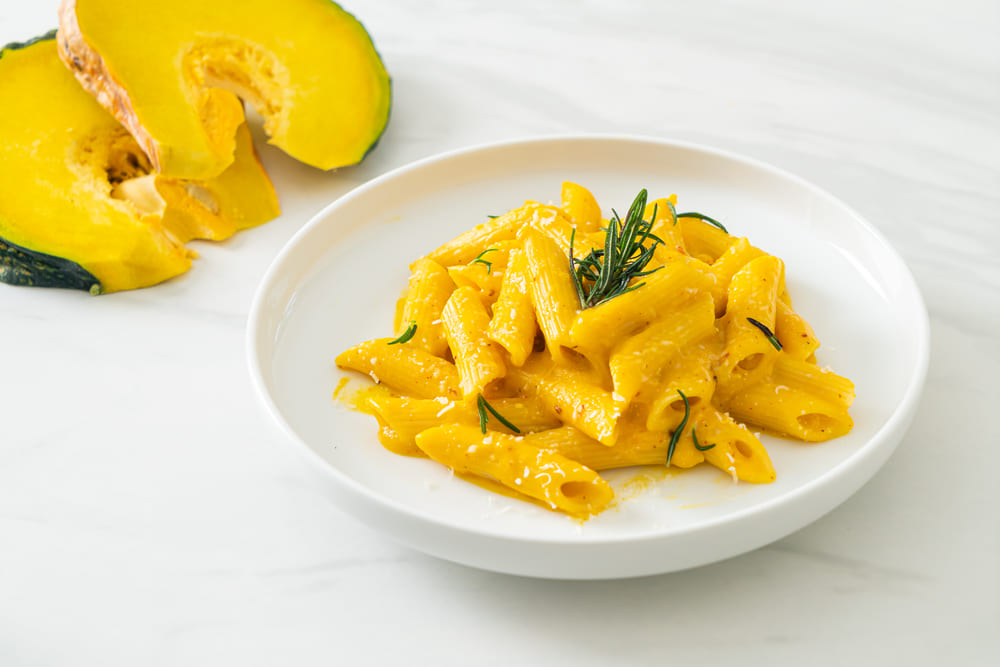
One-Pan Creamy Squash Pasta
Here’s a simple and delicious recipe for one-pan creamy squash pasta using extra virgin olive oil. This dish combines the sweetness of squash with a creamy sauce, making it comforting and satisfying. Ingredients: 12 oz pasta (like fettuccine, penne, or your choice) 1 medium butternut squash (or zucchini), peeled and diced 2 tablespoons extra virgin olive oil 3 cloves garlic, minced 1 onion, chopped 1 cup vegetable broth 1 cup heavy cream (or a plant-based alternative) Salt and pepper to taste ½ teaspoon nutmeg (optional) Fresh herbs (like sage or thyme) for garnish Grated Parmesan cheese (optional) Instructions: Sauté the Aromatics: In a large skillet or pot, heat the extra virgin olive oil over medium heat. Add the chopped onion and sauté until translucent, about 3-4 minutes. Add the minced garlic and cook for another minute until fragrant. Cook the Squash: Add the diced squash to the skillet, season with salt and pepper, and sauté for about 5 minutes until it starts to soften. Add the Pasta and Broth: Pour in the vegetable broth and bring to a boil. Add the pasta, making sure it’s submerged in the liquid. Reduce the heat to a simmer and cover. Cook according to pasta package instructions, stirring occasionally. Create the Creamy Sauce: Once the pasta is cooked, stir in the heavy cream. If you want a touch of warmth, add nutmeg for flavor. Cook for an additional 2-3 minutes, allowing the sauce to thicken slightly. Serve: Taste and adjust the seasoning if needed. Serve hot, garnished with fresh herbs and grated Parmesan cheese if desired. Tips: You can add spinach or kale for extra greens in the last few minutes of cooking. For a little heat, add red pepper flakes while sautéing the garlic. Enjoy your creamy squash pasta! It’s a perfect one-pan meal for a cozy dinner.
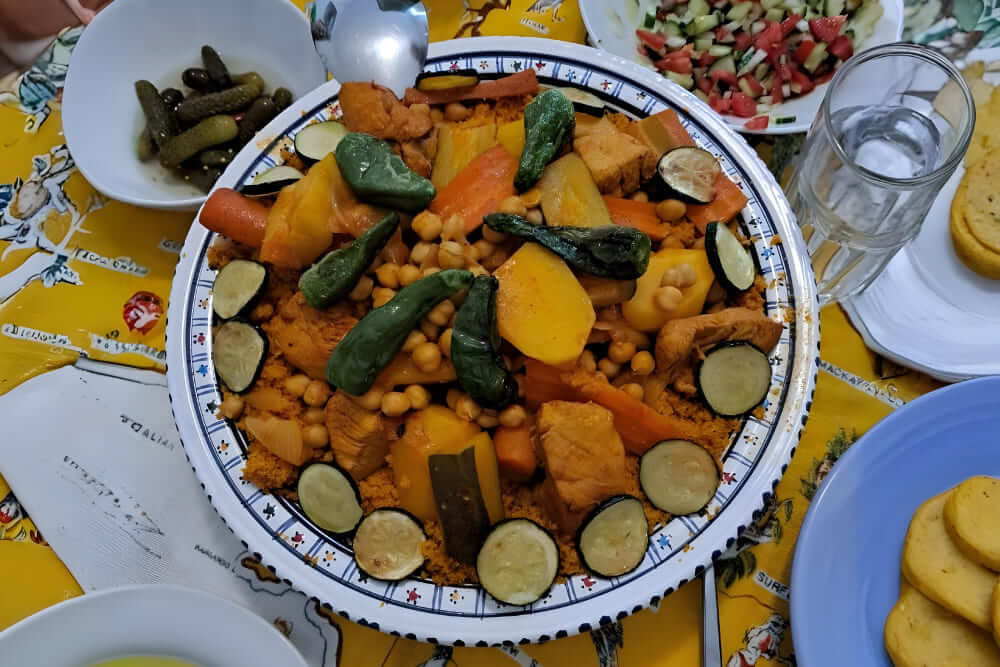
Preparing a Delicious Tunisian Couscous Dish with Cure All & More Extra Virgin Olive Oil
Tunisian couscous is a vibrant and flavorful dish that beautifully combines spices, vegetables, and protein. When prepared with high-quality olive oil, such as Cure All and More Extra Virgin Olive Oil, it takes on a rich depth of flavor. This article will guide you through preparing a traditional Tunisian couscous dish that showcases the exceptional qualities of this olive oil. Why Choose Cure All and More Extra Virgin Olive Oil? Cure All and More Extra Virgin Olive Oil is celebrated for its fresh taste and aromatic qualities. Rich in antioxidants and healthy fats, this olive oil enhances the natural flavors of your ingredients while contributing to a heart-healthy diet. Its robust flavor profile makes it ideal for both cooking and drizzling. Traditional Tunisian Couscous Recipe Ingredients For the Couscous: 1 cup couscous 1 cup vegetable or chicken broth (or water) 2 tablespoons Cure All and More Extra Virgin Olive Oil Salt to taste For the Vegetable and Meat Stew: 2 tablespoons Cure All and More Extra Virgin Olive Oil 1 onion, finely chopped 2 garlic cloves, minced 1 bell pepper, chopped 2 medium carrots, sliced 1 zucchini, chopped 1 can (15 oz) chickpeas, rinsed and drained 1 pound lamb or chicken, cut into pieces (optional) 2 teaspoons ground cumin 1 teaspoon ground coriander 1 teaspoon paprika ½ teaspoon cayenne pepper (adjust to taste) 1 can (14 oz) diced tomatoes 2 cups water or broth Salt and pepper to taste Fresh cilantro or parsley for garnish Instructions 1-Prepare the Couscous: 1.In a medium saucepan, bring the broth or water to a boil. Once boiling, remove it from the heat. 2.Stir in the couscous and a pinch of salt. Cover and let it sit for about 5 minutes until the couscous absorbs the liquid. Fluff with a fork and drizzle with 2 tablespoons of Cure All and More Extra Virgin Olive Oil. 2-Cook the Stew: 1.In a large pot, heat 2 tablespoons of Cure All and More Extra Virgin Olive Oil over medium heat. 2.Add the chopped onion and sauté until translucent, about 5 minutes. 3.Stir in the minced garlic, bell pepper, carrots, and zucchini. Cook for an additional 5-7 minutes until the vegetables begin to soften. 3-Add Protein and Spices: 1.If using lamb or chicken, add it to the pot and brown on all sides. Once browned, add the chickpeas, cumin, coriander, paprika, and cayenne pepper. Stir well to coat everything with spices. 4-Add Tomatoes and Simmer: 1.Pour in the diced tomatoes and water or broth. Season with salt and pepper. Bring to a boil, then reduce the heat and let it simmer for about 30-40 minutes, until the meat is tender and the flavors meld together. Adjust the seasoning as needed. 5-Serve: 1.To serve, spoon the couscous onto a large platter and make a well in the center. Ladle the vegetable and meat stew over the couscous. Garnish with fresh cilantro or parsley. Tips for the Perfect Tunisian Couscous Spice Adjustments: Feel free to adjust the spices to your taste. Add more cayenne for extra heat or other spices like turmeric for color. Vegetarian Option: For a vegetarian version, omit the meat and increase the variety of vegetables or add extra chickpeas. Serving Suggestions: This dish pairs beautifully with harissa, a spicy chili paste, for those who enjoy a kick. Conclusion Cure All and More Extra Virgin Olive Oil not only enhances the flavor of this traditional Tunisian couscous but also contributes to its nutritional value. This hearty and aromatic dish is perfect for family gatherings or special occasions. Enjoy the rich flavors and cultural heritage of Tunisia right in your kitchen!
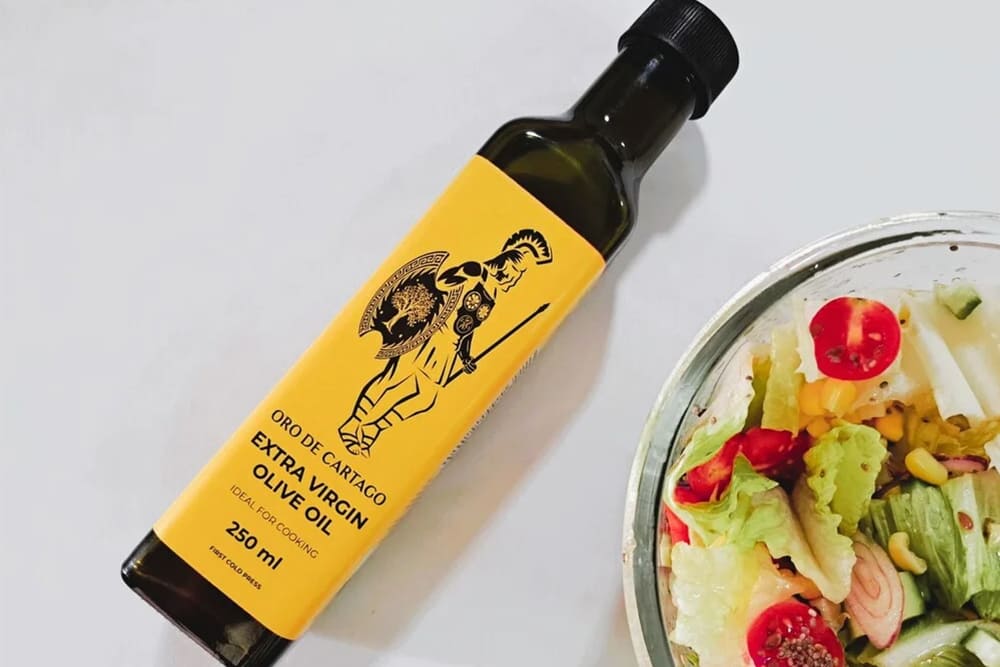
The Best Ways to Use Extra Virgin Olive Oil in Your Cooking
Extra virgin olive oil (EVOO) is celebrated not just for its health benefits, but also for its rich flavor and versatility in the kitchen. Here are some of the best dishes and applications where you can make the most of this liquid gold: 1. Salads and Dressings EVOO is perfect for creating vibrant salad dressings. Combine it with vinegar and seasonings such as mustard, garlic, or honey for a delicious vinaigrette. Drizzling it over fresh greens, roasted vegetables, or grain salads enhances flavor and adds a healthy fat. 2. Marinades Use olive oil as a base for marinades. Combine it with herbs, spices, citrus juice, or garlic to infuse meats, fish, and tofu with flavor. It helps tenderize proteins and keeps them moist during cooking. 3. Dipping Oil EVOO makes an excellent dipping oil. Serve it with crusty bread alongside balsamic vinegar or herbs like rosemary and thyme for a simple yet elegant appetizer. You can also add chili flakes for a spicy kick. 4. Pasta Dishes Finish your pasta dishes with a drizzle of olive oil. It adds richness to aglio e olio (garlic and oil), enhances the flavors of pesto, or complements a light tomato sauce. Tossing cooked pasta with olive oil helps to keep it from sticking and adds depth of flavor. 5. Vegetable Dishes Roasting vegetables in olive oil enhances their natural sweetness. Toss seasonal vegetables in EVOO with salt, pepper, and herbs before roasting for a delicious side dish. It can also be used for sautéing vegetables, providing a tasty base for stir-fries or ratatouille. 6. Soups A drizzle of olive oil can elevate the flavors of soups. Add it to pureed soups for a silky texture or finish a hearty vegetable or bean soup with a splash of EVOO for added richness. 7. Pizza and Flatbreads Use olive oil to brush pizza dough or flatbreads before baking. It adds flavor and helps create a crispy crust. You can also drizzle it over the finished pizza for an extra layer of flavor. 8. Grilled Foods Brush meats and vegetables with olive oil before grilling to enhance flavor and prevent sticking. It also helps achieve a beautiful char while keeping the insides juicy. 9. Finishing Touch Use olive oil as a finishing touch for dishes. A drizzle over cooked fish, roasted meats, or risottos adds a touch of elegance and flavor. It can also be used to enrich dips like hummus or tzatziki. 10. Baking While EVOO can be used in baking, it’s best suited for recipes where its flavor can shine, such as olive oil cakes or breads. It adds moisture and a unique taste that pairs well with citrus or herbs. Conclusion Extra virgin olive oil is a versatile ingredient that can enhance a wide range of dishes. From salads and marinades to finishing touches on your favorite meals, its rich flavor and health benefits make it a staple in any kitchen. Experiment with different applications to discover how EVOO can elevate your culinary creations!
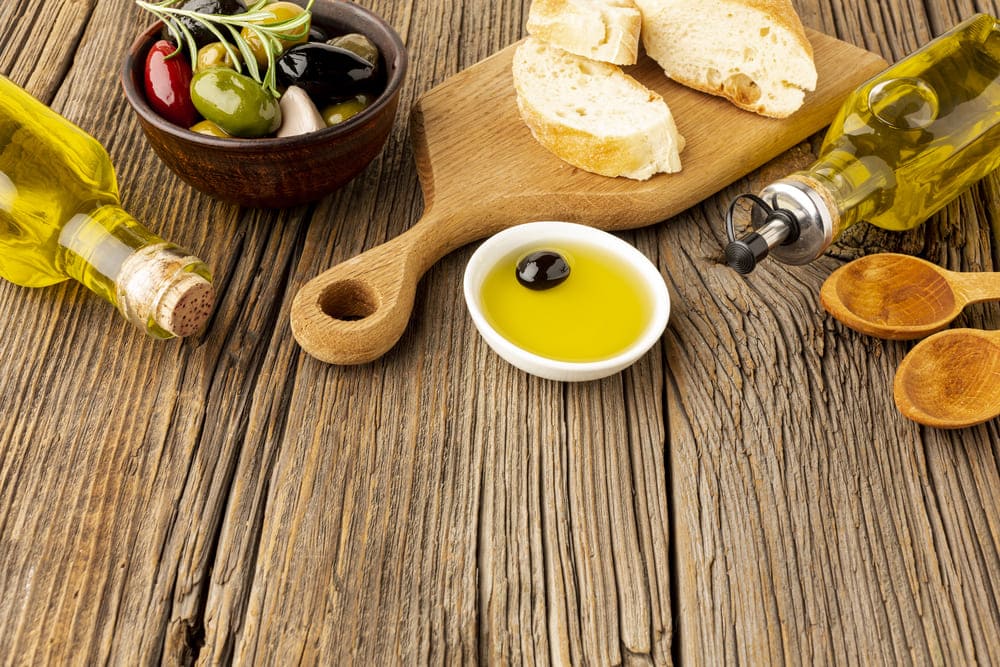
The Health Benefits of Olive Oil
Olive oil, particularly extra virgin olive oil, has long been celebrated not only for its culinary uses but also for its remarkable health benefits. Derived from the fruit of the olive tree, this liquid gold is a staple of the Mediterranean diet and is gaining recognition worldwide for its potential to enhance overall well-being. Here are some of the key health benefits of incorporating olive oil into your diet: 1. Rich in Healthy Fats Olive oil is predominantly composed of monounsaturated fats, particularly oleic acid, which is known to be heart-healthy. These fats can help reduce bad cholesterol levels (LDL) while increasing good cholesterol (HDL), thereby lowering the risk of heart disease. 2. Anti-Inflammatory Properties Chronic inflammation is linked to numerous diseases, including heart disease and cancer. Olive oil contains antioxidants, such as oleocanthal, which possess anti-inflammatory effects. Regular consumption can help mitigate inflammation and reduce the risk of related health issues. 3. Packed with Antioxidants Extra virgin olive oil is rich in antioxidants, including vitamin E and polyphenols. These compounds combat oxidative stress in the body, which is a significant factor in aging and the development of various diseases. Antioxidants help protect cells from damage caused by free radicals. 4. Supports Heart Health Numerous studies indicate that olive oil can lower the risk of heart disease. The Mediterranean diet, which is high in olive oil, has been associated with reduced incidence of cardiovascular diseases. This is attributed to olive oil’s ability to lower blood pressure, improve cholesterol levels, and enhance blood vessel function. 5. May Aid in Weight Management Despite being high in calories, olive oil can promote satiety, helping to control appetite and reduce overall calorie intake. Including olive oil in a balanced diet may support weight management efforts without compromising nutrition. 6. Potential Cancer-Fighting Properties Some research suggests that the antioxidants in olive oil may play a role in cancer prevention. Studies have shown that a diet rich in olive oil may be associated with a lower risk of certain cancers, including breast and colorectal cancer. The mechanisms behind this effect are still being explored. 7. Supports Brain Health Emerging evidence suggests that olive oil may benefit brain health. The monounsaturated fats and antioxidants in olive oil may help reduce the risk of neurodegenerative diseases like Alzheimer’s. Some studies have linked olive oil consumption to improved cognitive function and memory. 8. Improves Bone Health Olive oil may also have a positive impact on bone health. Some studies indicate that it can enhance calcium absorption, which is crucial for maintaining strong bones. A diet rich in olive oil may help prevent osteoporosis and other bone-related disorders. 9. Enhances Digestion Olive oil has been shown to have a beneficial effect on gut health. It may help improve digestion, reduce the risk of gastrointestinal disorders, and promote the growth of beneficial gut bacteria. How to Incorporate Olive Oil into Your Diet To reap the health benefits of olive oil, consider the following tips: Use as a Dressing: Drizzle extra virgin olive oil over salads or vegetables for added flavor and nutrients. Cooking: Use olive oil for sautéing or roasting instead of butter or margarine. Dip: Serve it as a dip for bread, combined with balsamic vinegar or herbs. Marinades: Incorporate olive oil into marinades for meats and vegetables to enhance flavor and moisture. Conclusion Incorporating olive oil into your daily diet can be a delicious and healthful choice. With its array of benefits, from heart health to potential cancer-fighting properties, this versatile oil deserves a prominent place in your kitchen. As always, it’s essential to use olive oil in moderation as part of a balanced diet to maximize its health benefits.